Meditation Positions
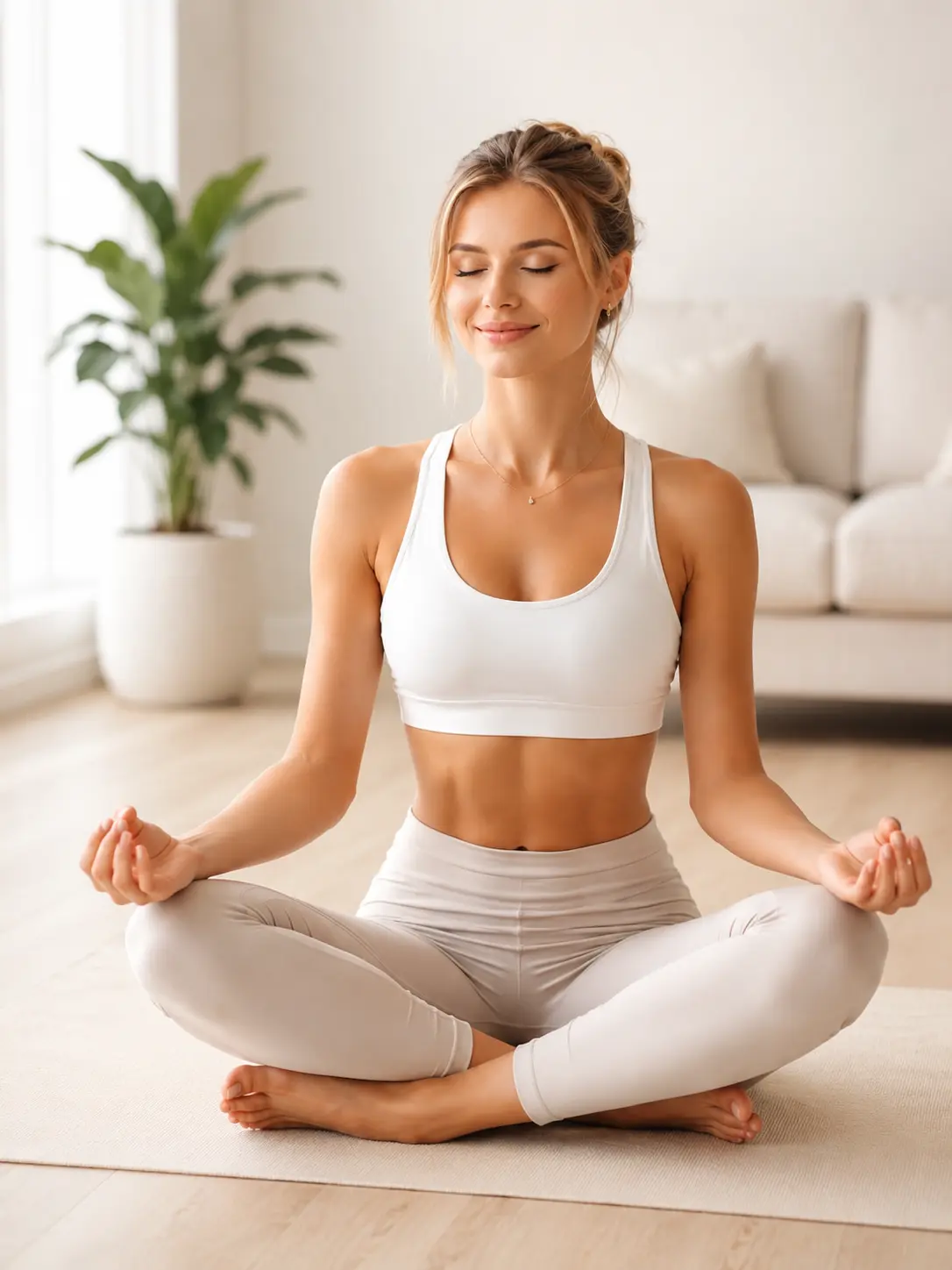
There is a quiet myth that you have to fold yourself into a perfect lotus to meditate properly. You do not. The only thing a position needs to do is let you stay upright and relaxed long enough to settle. It does not have to look impressive, but it does have to be sustainable, because a posture that aches will pull your attention straight back to your body. Here are the six most common ways to sit, and how to choose between them.
Why position matters
Your posture shapes your practice more than you might expect. A stable, comfortable seat lets the mind grow quiet, while a strained one keeps sending up complaints. The aim is a position you can hold with ease, where the spine supports itself and the body can soften. Comfort and alertness together, rather than one at the cost of the other, is what you are looking for.
The six main meditation positions
1. Full lotus (padmasana)
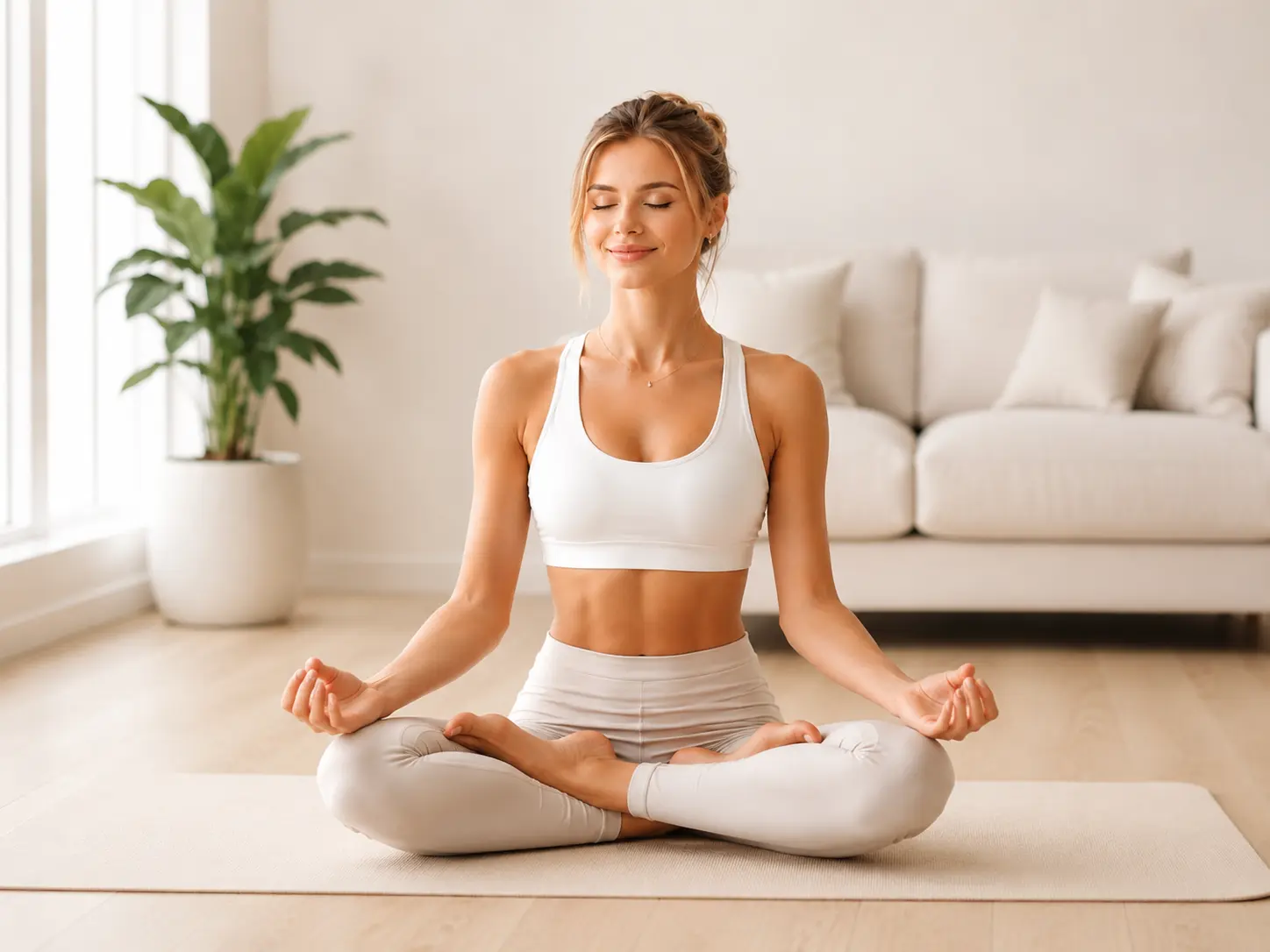
Each foot rests on the opposite thigh, making a very stable and symmetrical base. It suits flexible, experienced practitioners and few others. The common issue is that it asks a great deal of the hips and knees, and forcing it can cause injury, so there is no need to chase it.
2. Half lotus (ardha padmasana)
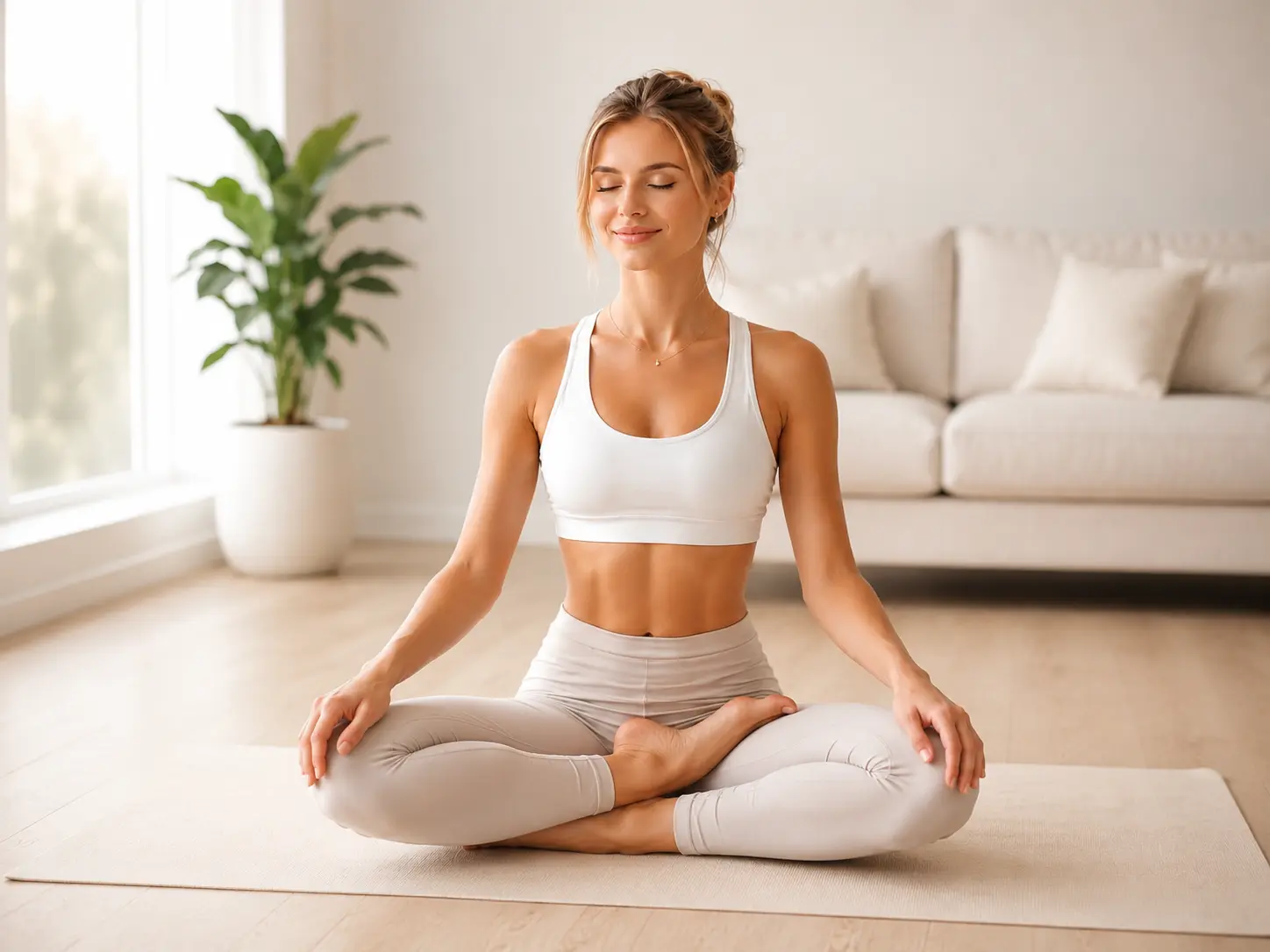
One foot rests on the opposite thigh while the other tucks beneath. It is the most common cross-legged option and far kinder to the hips than full lotus. The main thing to watch is balance, so it helps to switch which leg is on top from session to session.
3. Burmese position
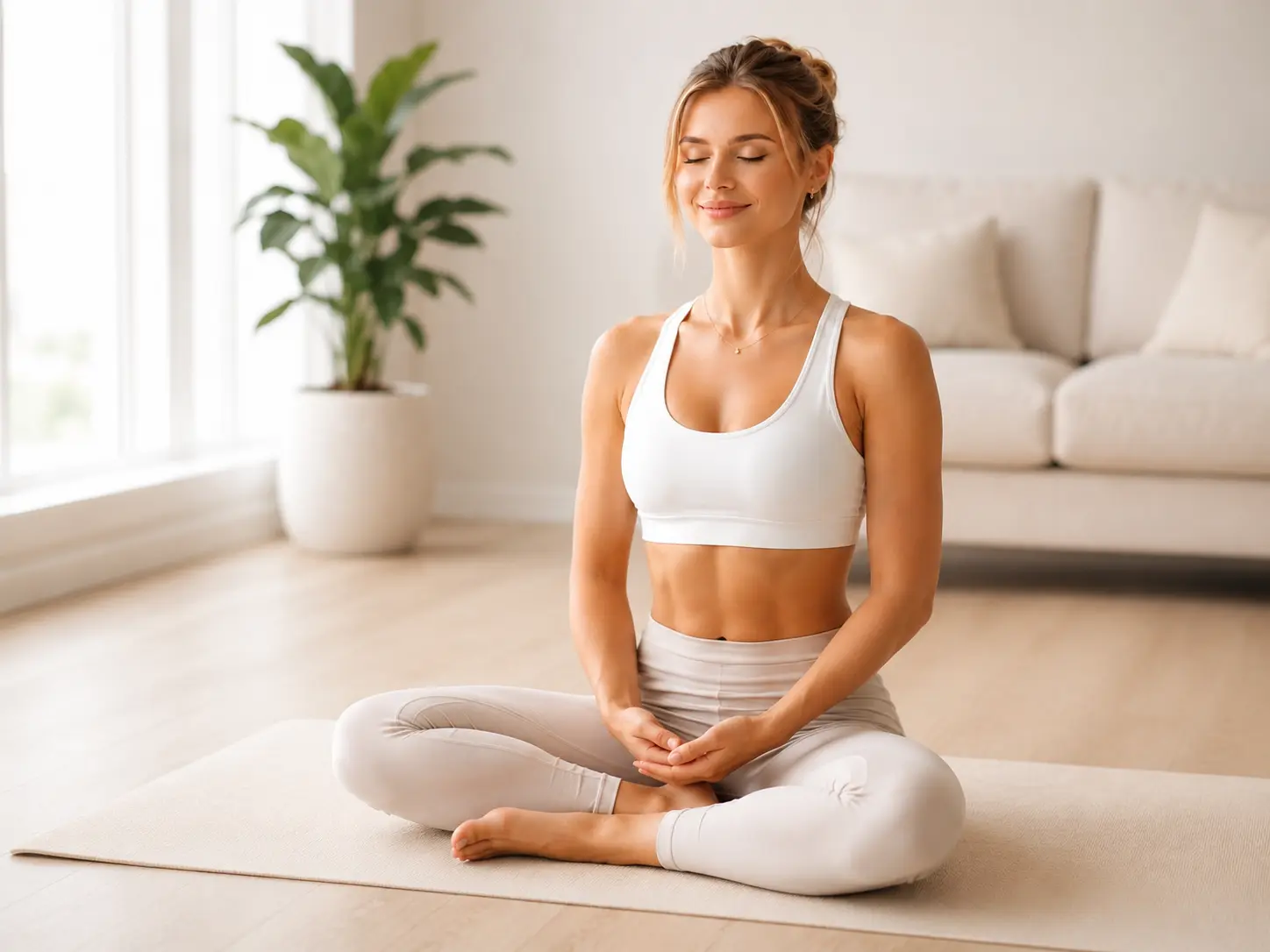
Both legs rest flat on the floor, one in front of the other, with neither foot lifted onto a thigh. This is the easiest cross-legged seat for beginners and stays comfortable for a surprisingly long time. Its only drawback is that the knees may not reach the floor at first, which a cushion easily solves.
4. Seiza, or kneeling
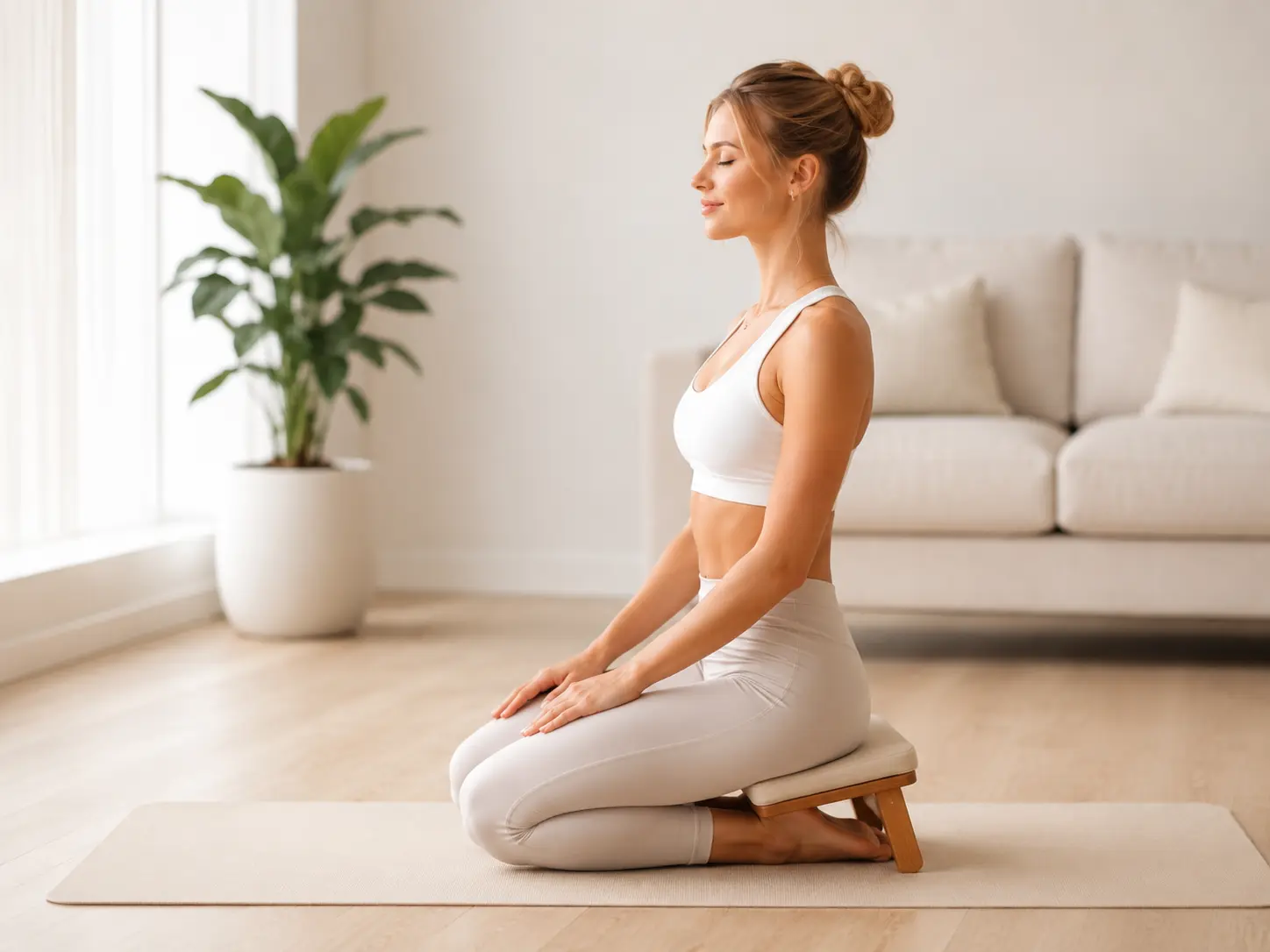
You kneel with your calves folded beneath you, often resting on a small bench or a cushion placed between your heels. It keeps the spine naturally upright and takes strain off tight hips. Without support the ankles and knees can complain, which is exactly what a kneeling bench is designed to relieve.
5. Chair sitting
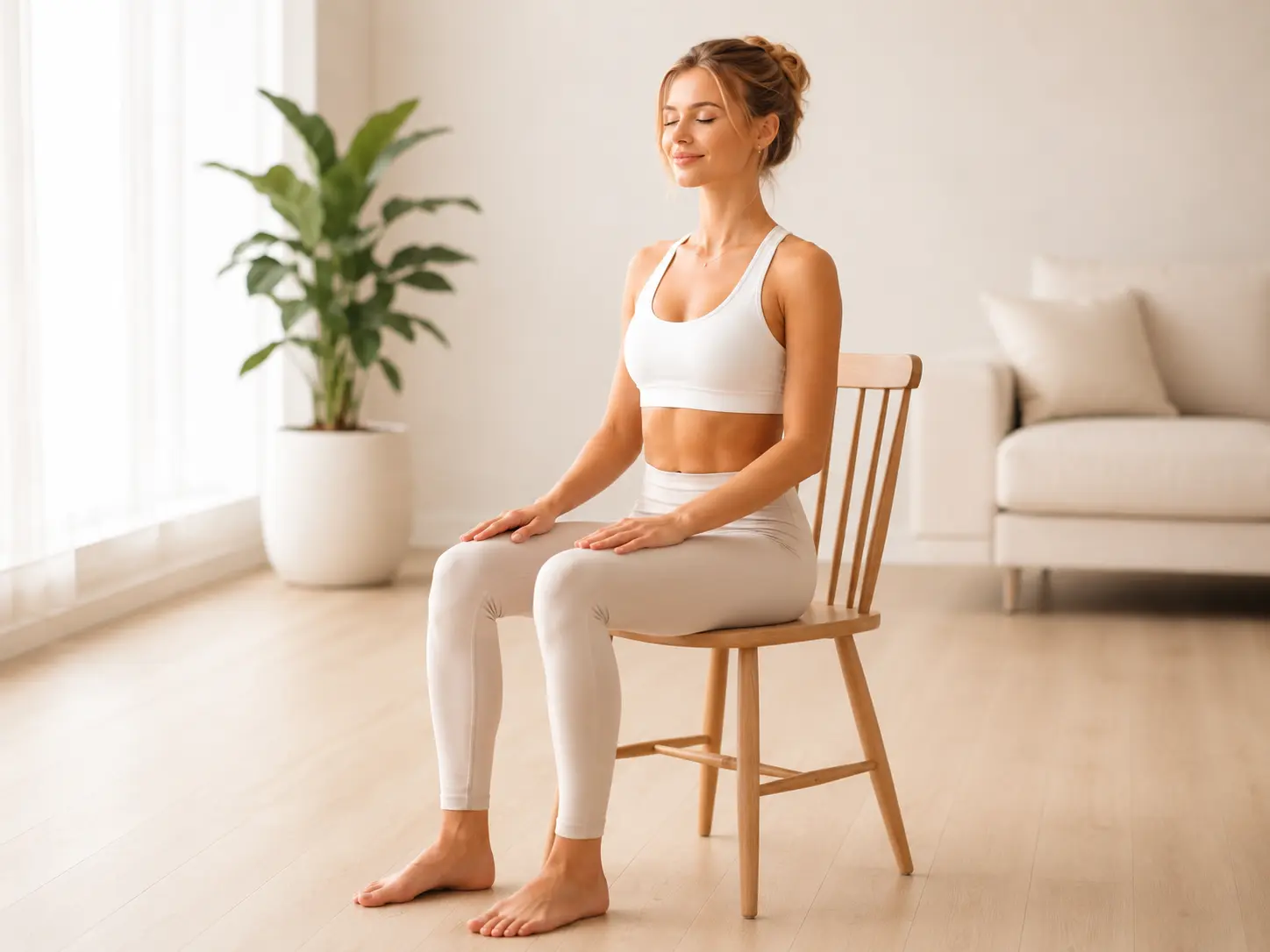
Sit with both feet flat on the floor and your back tall but not rigid, ideally not leaning against the backrest. This is a perfectly valid way to meditate at the office or at home, and it is the friendliest option for older practitioners or anyone with knee trouble. The only pitfall is slumping, so let the chair support you without collapsing into it.
6. Lying down (savasana)
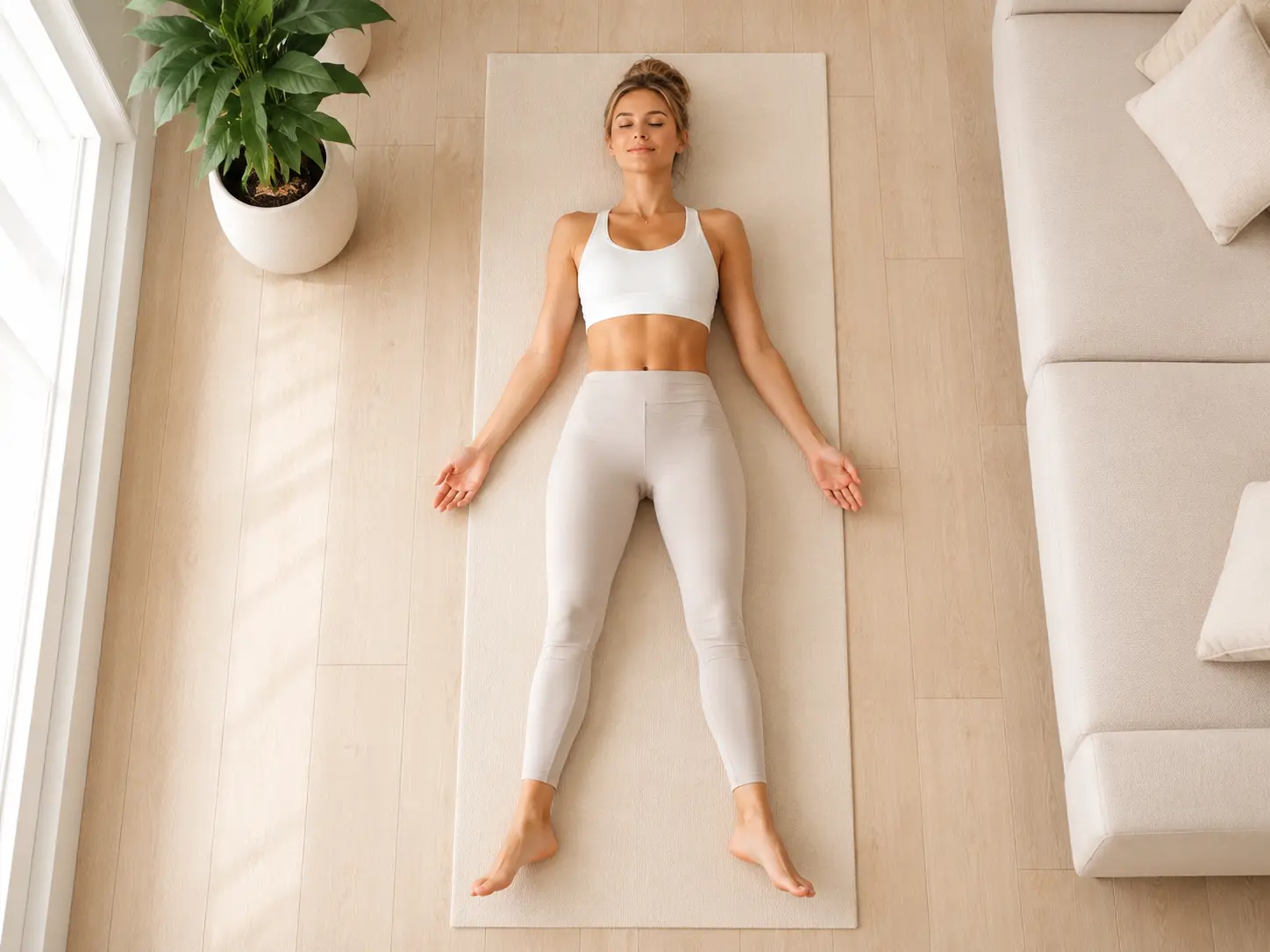
Lie flat on your back with your arms a little away from your sides and your legs relaxed. This position is best kept for sleep meditation, since it makes drifting off very likely. For a daytime sit where you want to stay alert, one of the upright options will serve you better. If sleep is the goal, the meditation for sleep guide goes further.
What to sit on
On the floor, the single most helpful thing you can do is raise your hips above your knees, which tilts the pelvis forward and lets the spine stack naturally. A firm cushion does this on its own, a padded mat beneath protects the knees and ankles, and a kneeling bench achieves the same upright tilt for those who prefer to kneel. On a chair, a folded blanket on the seat can gently lift the hips in the same way. None of this needs to be bought, though the right support does make longer sitting easier.
Hand positions
Your hands need only to be at rest. The simplest option is to let them lie palms down on your thighs or knees, which feels grounding and settled. Many people instead rest both hands in the lap, one cupped softly inside the other with the thumbs lightly touching. A third common choice is the chin mudra, where the tip of the thumb meets the tip of the index finger while the other fingers extend. Any of these is fine. Pick whichever lets your shoulders drop and your arms forget themselves.
Spine alignment
If you remember one rule, make it this. Sit tall but not stiff. Imagine a thread lifting gently from the crown of your head so the spine lengthens and the natural curve of the lower back stays intact. The chest opens, the shoulders soften, and the chin tucks very slightly. An upright spine keeps you alert without effort, while a slumped one invites both drowsiness and back ache.
Adjusting for back, knee, and hip issues
Meditation should never hurt, so adapt the posture to your body rather than the other way around. For back pain, raise the hips higher and avoid leaning back, or move to a firm chair where the spine can stay upright. For knee issues, give up the cross-legged seats and try a chair or a kneeling bench, which keeps the joints in a gentler line. For tight hips, sit higher on a cushion so the knees can drop and the legs are not forced open. And on any day, you are allowed to shift quietly when something aches and simply return to the breath.
Tools that can help
As an Amazon Associate I earn from qualifying purchases. Recommendations are based on what genuinely helps with a meditation practice. All three options are optional, a folded blanket on a kitchen chair works perfectly well too.
Zafu meditation cushion
A round cushion that raises your hips above your knees, taking pressure off the lower back. This is the classic Buddhist meditation cushion and makes cross-legged sitting sustainable for 20+ minutes.
View on Amazon →Zabuton mat
A rectangular padded mat that sits under the zafu, cushioning your knees and ankles against a hard floor. Optional if you're on carpet, essential on wood or tile.
View on Amazon →Kneeling / seiza bench
A small wooden angled bench that sits over your folded calves in seiza position. Many people find it more comfortable than cross-legged, especially with tight hips or knee issues.
View on Amazon →Frequently asked questions
Do I have to sit in lotus position to meditate?
No. Full lotus is traditional but completely optional, and it is hard on most modern bodies. A simple cross-legged seat, a kneeling bench, or an ordinary chair all work just as well. The best position is the one you can hold without strain.
Can I meditate in a chair?
Yes, and there is nothing second rate about it. Sit with both feet flat on the floor, let your back be tall but not rigid, and rest your hands in your lap. Chair sitting is ideal at the office, for older practitioners, and for anyone with knee or hip discomfort.
What is the best position for back pain?
Raising your hips above your knees usually helps, whether with a cushion on the floor or by sitting forward on a firm chair. Many people with back pain find a kneeling bench comfortable because it tilts the pelvis gently forward and keeps the spine naturally upright.
How long can I expect to sit comfortably as a beginner?
Most beginners are comfortable for five to ten minutes before stiffness sets in. That is plenty to start. Comfort grows as your body adapts and as you find the right support, so begin short and extend the length gradually.
Is lying down meditation as effective as sitting?
For staying alert and present, sitting upright has the edge, since lying down invites sleep. Lying down is well suited to bedtime practice and body relaxation, where drifting off is welcome rather than a problem.